




OCTOBER
SPSAS
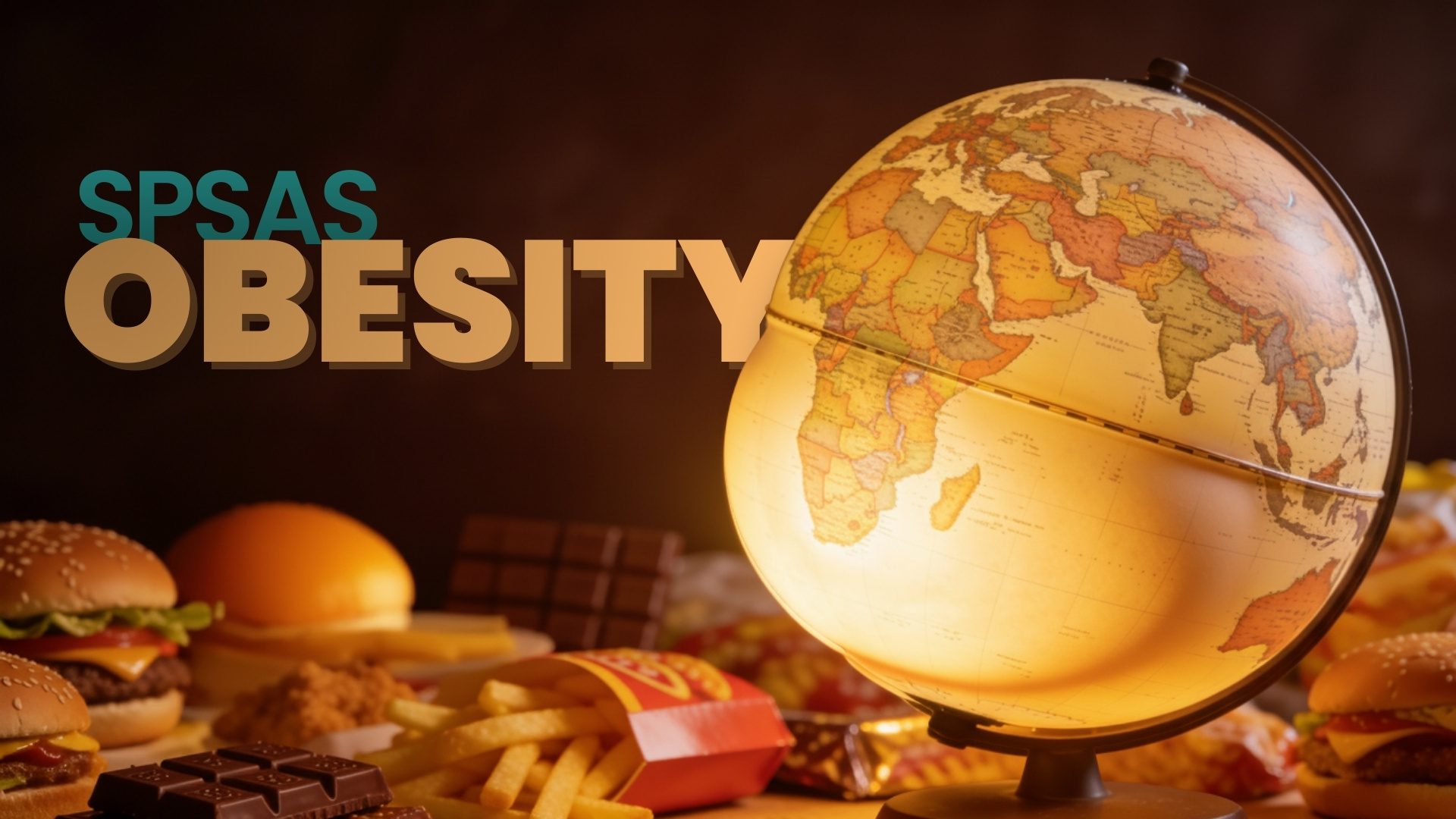
Obesity
Comprehensive content, including epidemiological aspects, genetic nutrition, epigenetics, molecular and cellular aspects, and advances in preventive and therapeutic interventions.
October 19 - 30, 2026
Two weeks of courses, interaction, connection and scientific discussions with leaders in the field of obesity.
at UNICAMP, Brazil
The 2026 SPSAS on Obesity will take place at UNICAMP, the State University of Campinas, in São Paulo, Brazil.
Register now!
Free registration for all selected students. Scholarships and transportation grants for all selected students that are not from Campinas or other Campi of the University of Campinas.

Painting by Colombian Artist Fernando Botero (1932-2023)
Reproduction authorized
According to the WHO, global obesity in children and adolescents rose from 1.9% in 1990 to 8.2% in 2022
About the Event
Obesity:a global pandemic
Obesity affects more than 650 million people worldwide. The World Health Organization projects that, without significant progress in prevention and treatment, by 2030 there will be more than 1.2 billion people with obesity.
This accelerated growth in the next five years is predominantly due to the increase in childhood obesity worldwide and the general increase in obesity in countries with large populations such as China, India, Indonesia, Pakistan, Russia, and Brazil.
THEMES
Topicsthat will be discussed in the School
From historical, scientific facts to cutting-edge technologies and analyses of coming developments, understand the underlying mechanisms of obesity through a wide range of topics in our School.
About the Event
Support


NEW INSIGHTS
Understanding obesity demands scientific insight into the biological systems that shape hunger, metabolism, and long‑term weight regulation
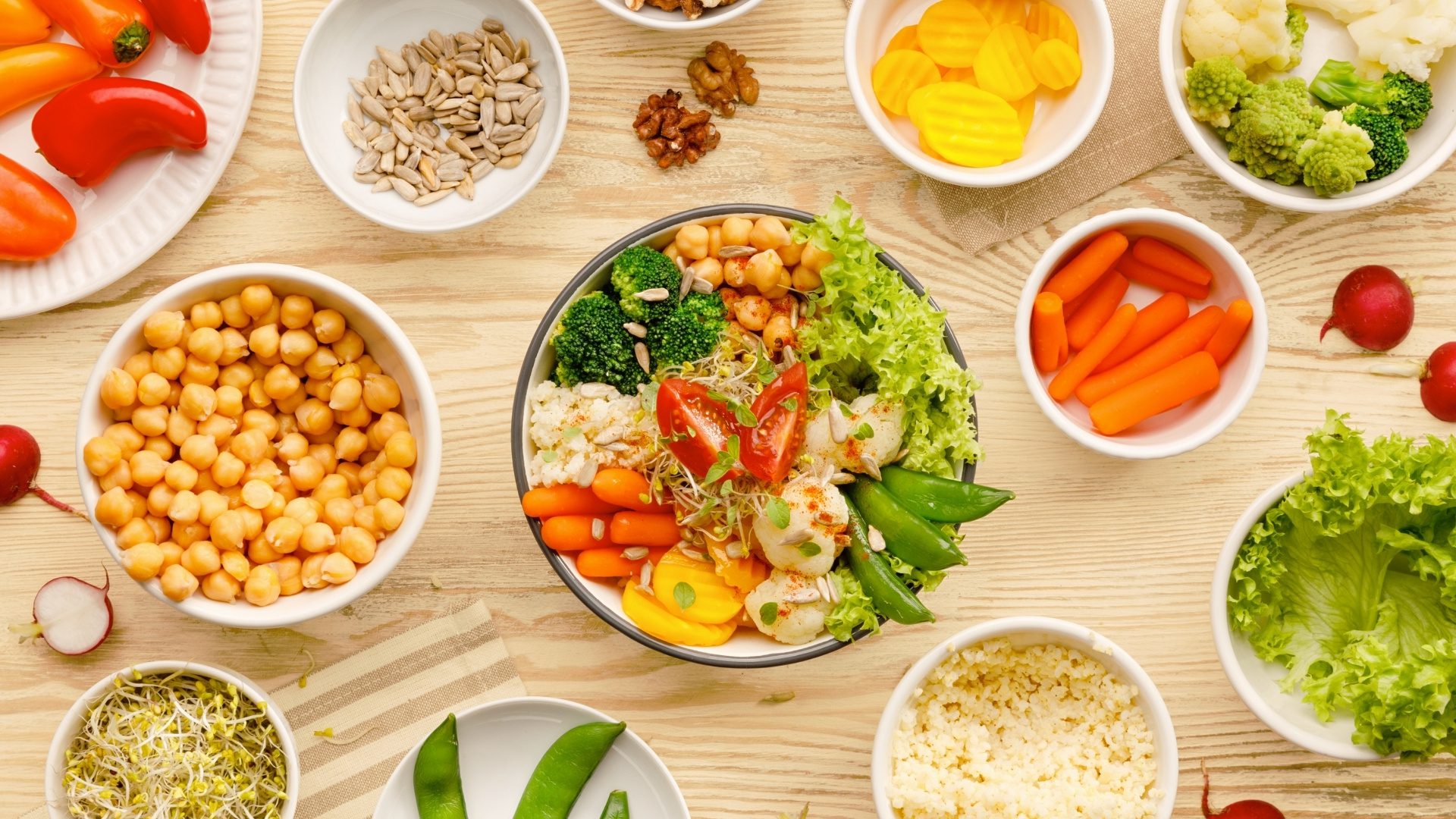
PREVENTION
Advancing the science of obesity today is the key to transforming prevention and treatment for millions in the decades ahead

TRAINING
As global obesity rates surge, training new researchers becomes essential to uncover therapies that not only reduce weight but restore the brain circuits that control energy balance

By 2035, 79% of adults and 88% of children with overweight or obesity will live in low‑ and middle‑income countries

OBJECTIVE
Tackling one of the most pressing public health challenges
Grounded in recent advances in the cellular, molecular, and neurobiological mechanisms that regulate energy balance—and in response to the urgent global rise in obesity—the School offers comprehensive training that spans epidemiology, genetics, epigenetics, nutrition, and emerging preventive and therapeutic strategies.
SPEAKERS
Meet the Speakers
The SPSAS will feature renowned scientists in the fields of medical sciences, physiology, biology, genetics, evolution and healthcare, in talks and courses to bring you up to date with the latest scientific data and insights

Adriana Torsoni

Ana Carolina Vasques
Ana Claudia Latronico
Ana Paula Davel

Andrei Sposito
Angel Nadal
Bianca Pititto
Bruna Bombassaro
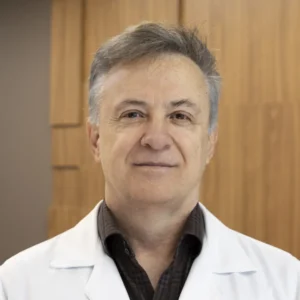
Bruno Geloneze
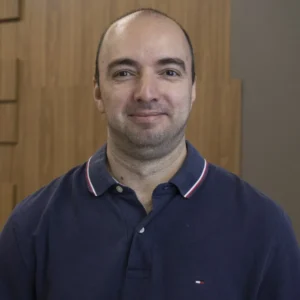
Carlos Sponton
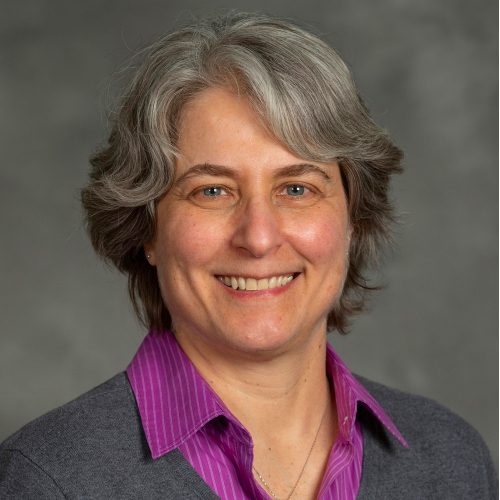
Carol Elias
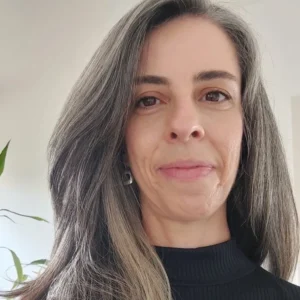
Caroline Capitani

Cintia Cercato
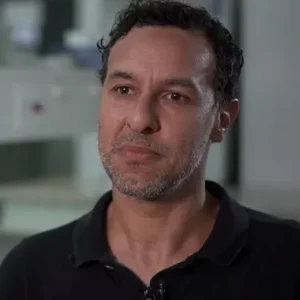
Dennys Cintra
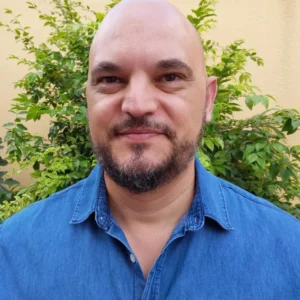
Eduardo Ropelle
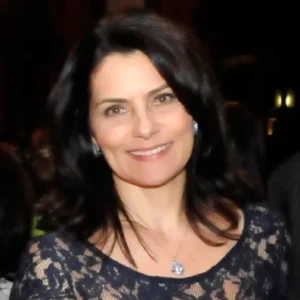
Eliana Araujo
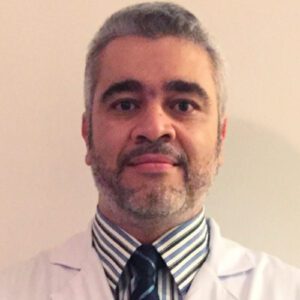
Everton Cazzo
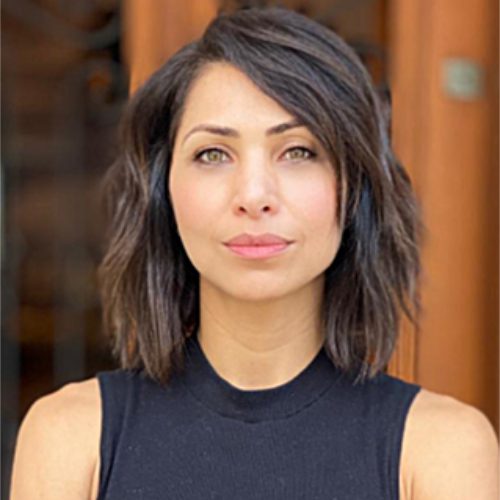
Helena Barbosa
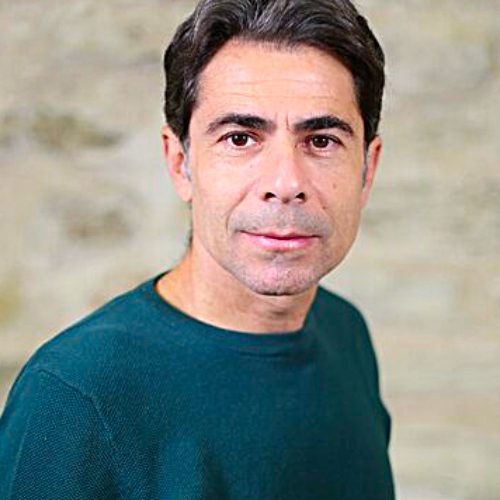
Ivan Quesada
Jose Donato Jr
Leticia Souza
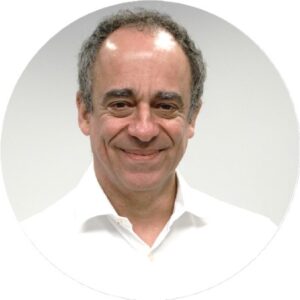
Licio Augusto Velloso
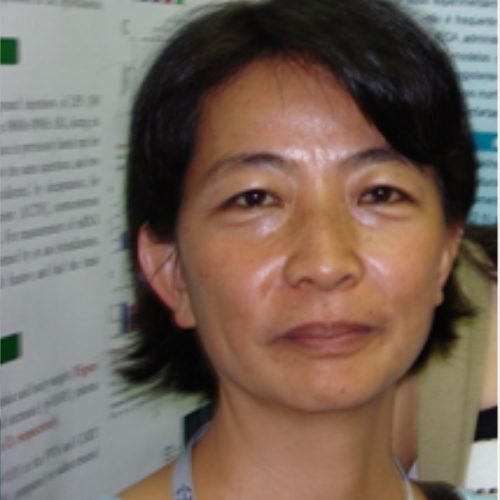
Lucila Elias
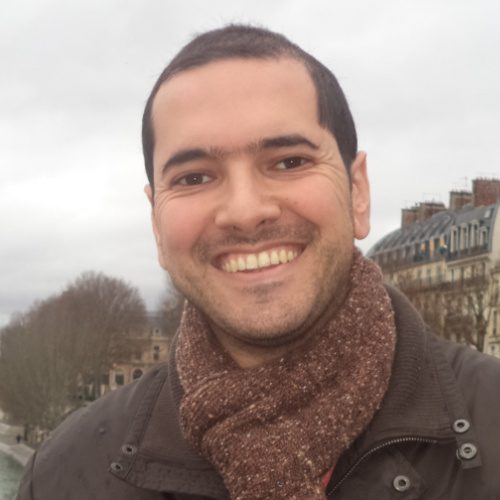
Luiz Osorio Leiria
Marcelo Mori
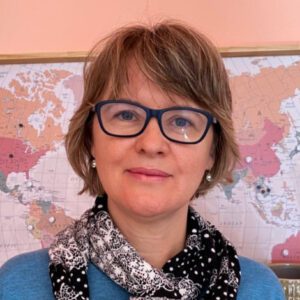
Marciane Milanski
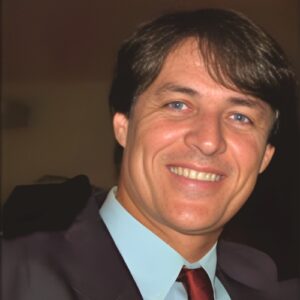
Marcio Torsoni
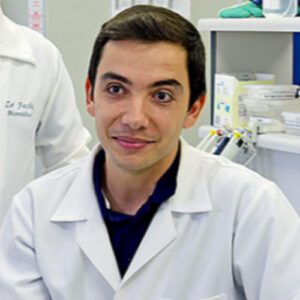
Marco Vinolo
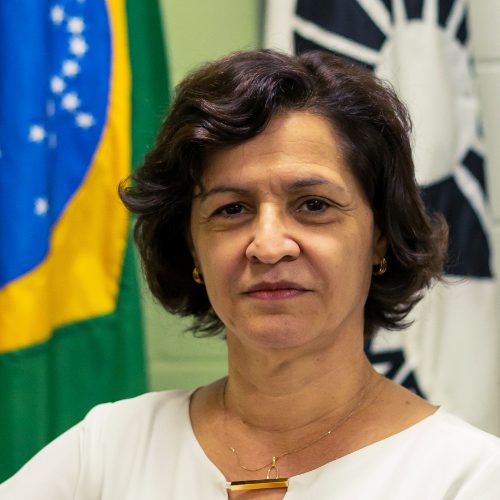
Maria Helena Melo

Maria Laura do Nascimento
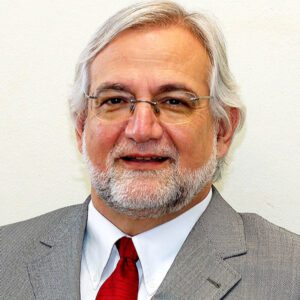
Mario Saad
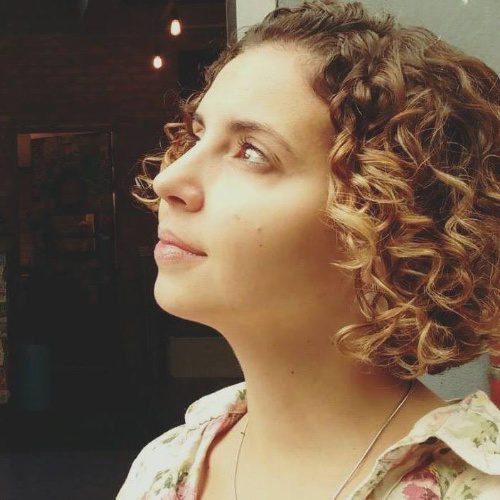
Milena Monfort Pires
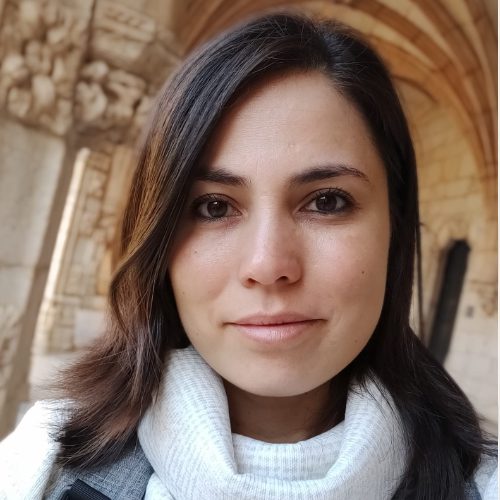
Natalia Mendes
Nathalia Dragano

Niels Câmara
Pedro Vieira
Rodrigo Pauli