
Speakers
Meet theSpeakersat SPSAS Obesity 2026
The SPSAS will feature renowned scientists in the fields of medical sciences, physiology, biology, genetics, evolution and healthcare, in talks and courses to bring you up to date with the latest scientific data and insights on obesity and related topics.

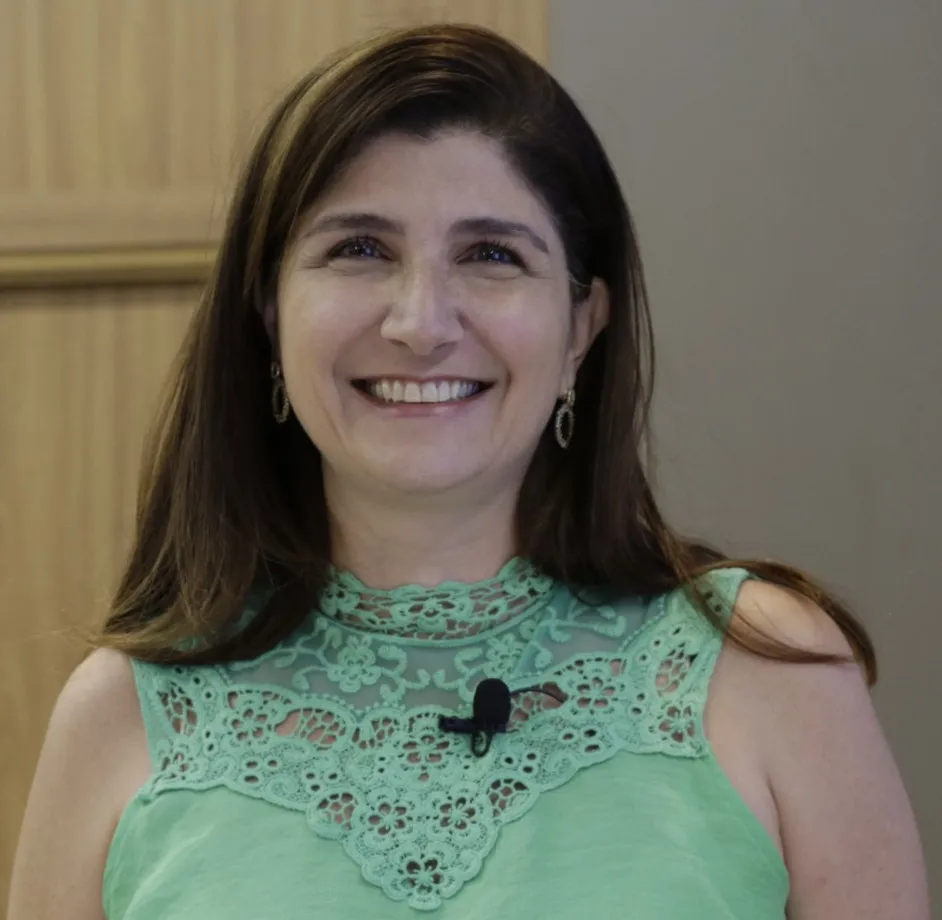
Adriana Torsoni
Associate Professor at the School of Applied Sciences (FCA), UNICAMP (since 2010)
Mini-bio
Associate Professor at the School of Applied Sciences (FCA), UNICAMP, since 2010. She holds a degree in Biological Sciences from UNICAMP (1995), a Master’s degree in Biochemistry from UNICAMP (1999), a PhD in Clinical Medicine from UNICAMP (2004), and completed postdoctoral training at UNICAMP (2006) and at the University of Michigan (2014). She has experience in Biochemistry with emphasis on Metabolic Disorders and Metabolic Programming, focusing on intracellular signaling, obesity and diabetes, and epigenetics. She is a permanent faculty member in the Graduate Program in Nutrition, Sports, and Metabolism – UNICAMP (Master’s and PhD – Research Line: Cellular Signaling, Nutrients, and Health). She is a member of the Laboratory of Metabolic Disorders (LAbDiMe), the Center for Research in Metabolic Programming and Perinatal Management (MPPM Center), the Obesity and Comorbidities Research Center (OCRC), and the Research Group on Nutrition and Metabolic Disorders (CNPq Directory). She is a member of the Brazilian Association for Developmental Origins of Health and Disease (DOHaD Brazil) and the International DOHaD Society. She served as coordinator of the Graduate Program in Nutrition, Sports, and Metabolism (2017–2021), consultant for the Nutrition area at CAPES (2016–2020), secretary of the Forum of Graduate Program Coordinators in Food and Nutrition (2018–2020), and deputy coordinator of the Nutrition area at CAPES (2022–2024). She is currently the Coordinator of the Nutrition area at CAPES.
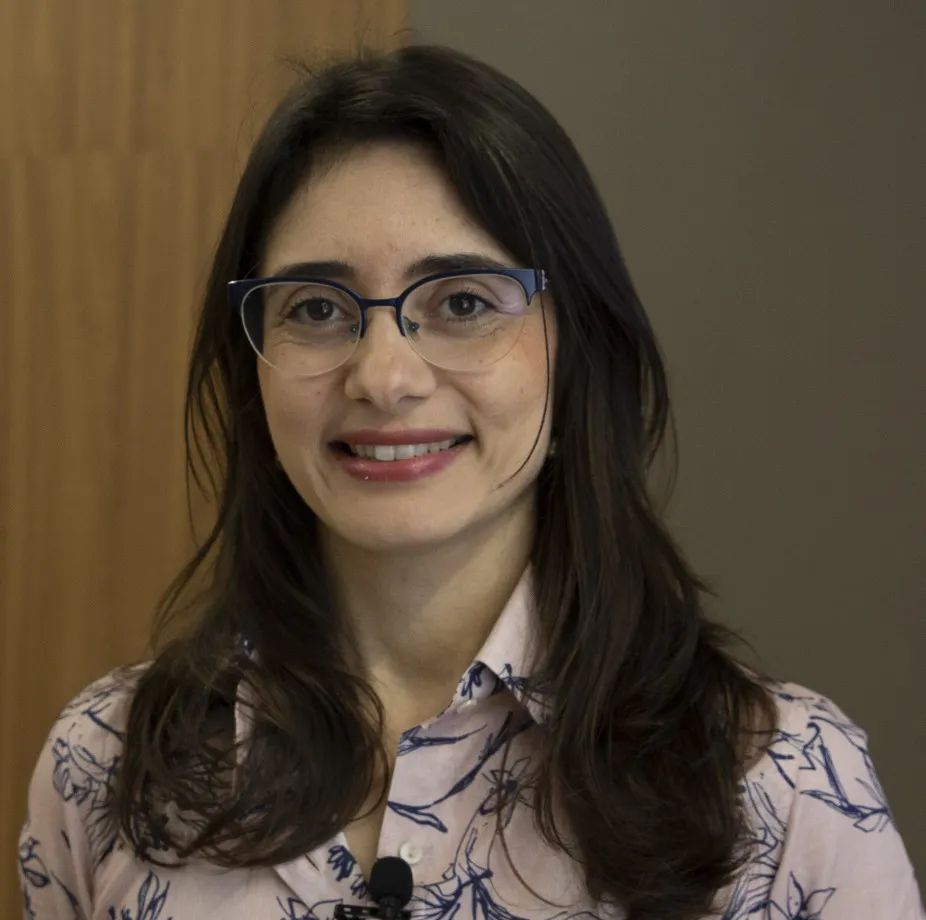
Ana Carolina Vasques
Associate Coordinator of the Laboratory of Investigation in Metabolism and Diabetes (LIMED), FCM-UNICAMP
Mini-bio
Nutritionist graduated from the Federal University of Viçosa (2006), with a Master’s degree in Nutritional Science (2008) from the same institution and a PhD in Clinical Medicine from the School of Medical Sciences, UNICAMP (2013). She is currently an MS-3.2 Professor in the Nutrition program at the School of Applied Sciences, UNICAMP, and Associate Coordinator of the Laboratory of Investigation in Metabolism and Diabetes (LIMED) at the School of Medical Sciences, UNICAMP. She is an associate researcher at the Obesity and Comorbidities Research Center (OCRC – UNICAMP) and at the INCT for Research in Diabetes, Obesity, and Comorbidities. She is one of the creators of the MeNu Project – Culinary Medicine and Nutrition in Healthcare at UNICAMP and serves on the Special Committee on Sustainability, Environment, and Food Culture of the Brazilian Association for the Study of Obesity (ABESO). Her research focuses on nutritional and pathophysiological aspects of obesity and metabolic syndrome in humans, with emphasis on anthropometric indicators, body composition, and energy and metabolic homeostasis. She is interested in developing and validating tools for nutritional and metabolic assessment, as well as evaluating the effectiveness of Culinary Medicine in promoting behavioral change and health outcomes. Mother of Bruno, born in 2019.
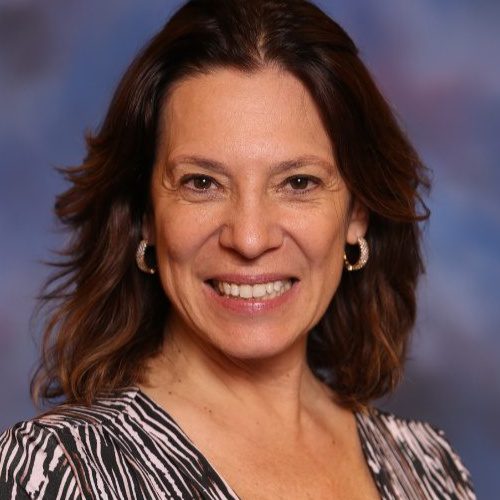
Ana Claudia Latronico
Full Professor, Department of Internal Medicine, Division of Endocrinology and Metabolism, FMUSP
Mini-bio
Full Professor in the Department of Internal Medicine, Division of Endocrinology and Metabolism at the School of Medicine, University of São Paulo (FMUSP). Principal Investigator of the Hormones and Molecular Genetics Laboratories LIM/42 and LIM/25 at Hospital das Clínicas, FMUSP. She is a CNPq Research Productivity Fellow – Level 1A and a Full Member of the Brazilian Academy of Sciences (since 2017). She received the Richard E. Weitzman Memorial Award (2003) and the International Award of Excellence in Endocrinology (2019), both from the American Endocrine Society. She received the ESPE International Research Award (2024) from the European Society for Paediatric Endocrinology. She received the Senior Researcher Award (2019) at the São Paulo Congress of Endocrinology and Metabolism (COPEM). She supervised PhD theses that won the CAPES Thesis Award (2009), Honorable Mentions (2012 and 2017), and the USP Outstanding Thesis Award (Honorable Mention, 2017). She is the author of 234 full articles published in international and national journals (PUBMED 2026), including four publications in The New England Journal of Medicine and four recent publications in Lancet Diabetes & Endocrinology. Her main research areas include clinical and molecular aspects of central and peripheral precocious puberty, congenital hypogonadotropic hypogonadism, and adrenal gland tumors. She is currently Chair of the FMUSP Research and Innovation Committee (President/Vice-President).
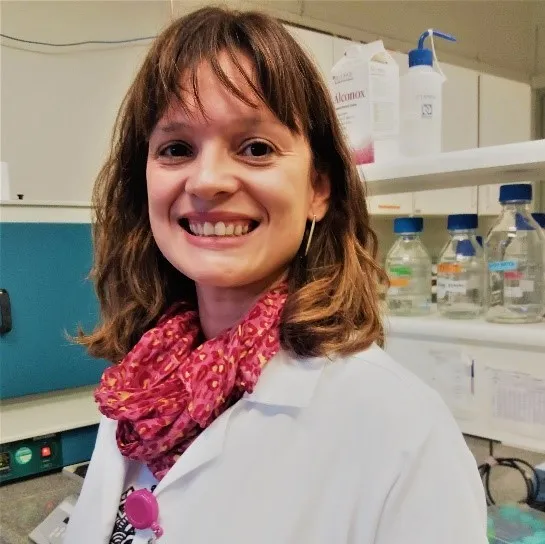
Ana Paula Davel
Associate Professor (Livre-Docente), Department of Structural and Functional Biology, Institute of Biology, UNICAMP
Mini-bio
Associate Professor (Livre-Docente, 2020) in the Department of Structural and Functional Biology at the Institute of Biology, University of Campinas (UNICAMP). She holds a degree in Biological Sciences (2000), a Master’s degree in Physiological Sciences from the Federal University of Espírito Santo (2003), and a PhD in Human Physiology from the Institute of Biomedical Sciences, University of São Paulo (ICB-USP, 2008). She completed postdoctoral training at USP (2009) and at Tufts Medical Center, Boston, USA (2015–2017), where she later served as a visiting professor (2017). Her research focuses on cardiovascular physiology, particularly the role of perivascular adipose tissue (PVAT) and endothelial function in vascular biology. She has published approximately 76 scientific articles (H-index: 26) and 3 book chapters. She is Guest Associate Editor in Vascular Physiology and Cardiovascular and Smooth Muscle Pharmacology (Frontiers). She served on the Board of the Federation of Experimental Biology Societies (FeSBE, 2017–2021) and has been a member of the Research Committee of the Institute of Biology at UNICAMP since 2022. She is the mother of a 7-year-old daughter.
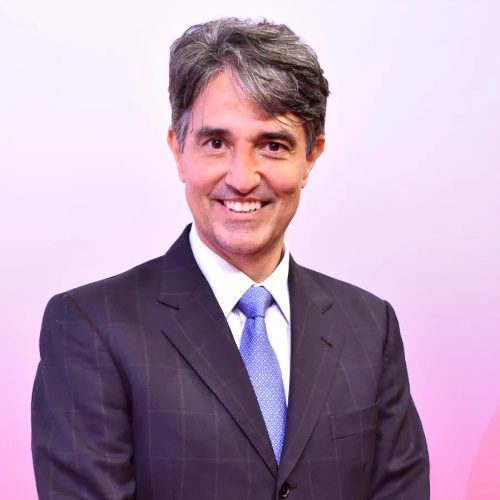
Andrei Sposito
Full Professor (MS-6) in the Cardiology Division, School of Medical Sciences, UNICAMP
Mini-bio
Professor Sposito earned his medical degree from the Federal University of Bahia (1992), completed residencies in Internal Medicine and Cardiology (1993–1996), and earned a PhD in Medicine (1996–1999) from the School of Medicine, USP. He completed a postdoctoral fellowship (2000–2003) at the University of Paris-Sorbonne, France, with an additional period at the Cell Biology Laboratory of the Children’s Hospital of Philadelphia, USA. He earned his Habilitation (Livre-Docência) in Cardiology at the School of Medicine, USP (2008). He served as Editor of the Brazilian Guideline for Atherosclerosis Prevention (2007), President of the Atherosclerosis Department (2008–2009), and Scientific Director of the Midwest Region (2010–2011) of the Brazilian Society of Cardiology. He was Director of Research (2012–2013) and Director of Regional Divisions (2022–2023) of the São Paulo Society of Cardiology. He is currently Full Professor (MS-6) in the Cardiology Division at the School of Medical Sciences, UNICAMP. He serves on the Advisory Boards of EbioMedicine (Lancet), Atherosclerosis, and Journal of Geriatric Cardiology, and was Section Editor of BBA Clinical. His publications include chapters in Harrison’s Principles of Internal Medicine and Braunwald’s Heart Disease, as well as articles in leading journals in Internal Medicine and Cardiology.
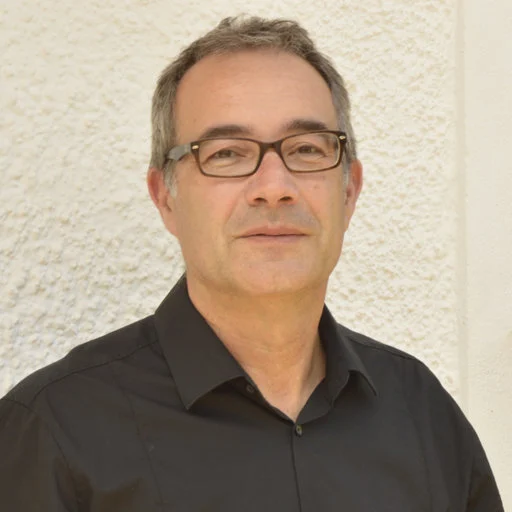
Mini-bio
He holds a degree in Chemistry from the Autonomous University of Madrid, Spain, and a PhD in Chemistry from the Neuroscience Program at the Institute of Neurosciences, University of Alicante, Spain. He completed two postdoctoral fellowships: one in the Physiology Group at King’s College London and another in the Department of Physiology at Miguel Hernández University of Elche, Alicante, Spain. He was an Associate Professor in the Department of Physiology at Miguel Hernández University of Elche from 1998 to 2009. He is currently a Professor of Physiology at Miguel Hernández University. His research group focuses on understanding how environmental pollutants known as endocrine disruptors affect the function and survival of pancreatic beta cells, which are responsible for insulin secretion.
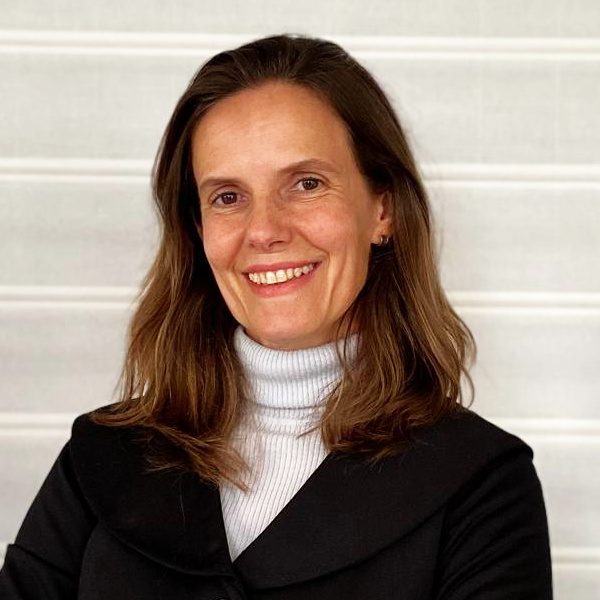
Bianca Pititto
Department of Preventive Medicine – UNIFESP, Graduate Program in Endocrinology
Mini-bio
Dra. Pititto trained in Internal Medicine, earned a Master’s degree in cardiovascular risk factors from the Endocrinology Division at the Federal University of São Paulo – UNIFESP (2003), and a PhD in diabetes prevention interventions and cardiovascular risk factors from the School of Public Health – USP (2009). She was a visiting student at the MRC Epidemiology Unit, Cambridge University, UK (2007). She completed a postdoctoral fellowship at the School of Public Health – USP (2013), studying nontraditional cardiovascular risk factors in the ELSA-SP epidemiological cohort. She completed Lato Sensu postgraduate training in Geriatrics at UNIFESP and USP. She is a faculty physician in the Department of Preventive Medicine – UNIFESP, teaching in undergraduate and residency programs and advising graduate students in the Endocrinology Program, focusing on epidemiology and prevention of chronic noncommunicable diseases and cardiometabolic risk factors. Her areas of expertise include epidemiology, diabetes prevention, obesity, cardiovascular risk factors, and life-course epidemiology (early-life events).
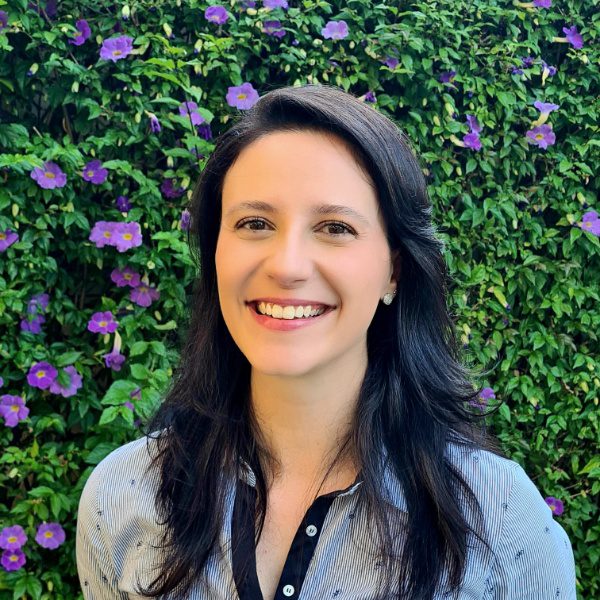
Mini-bio
PhD in Sciences (2018) from the Medical Pathophysiology Program at the School of Medical Sciences (FCM), University of Campinas (UNICAMP). She completed a postdoctoral fellowship at the School of Nursing (FEnf – UNICAMP). She earned her Master’s degree in Sciences in 2013 from the same program. She holds a Bachelor’s degree and teaching certification in Biological Sciences from UNICAMP (2010). She is currently a postdoctoral researcher at the School of Medical Sciences (UNICAMP).
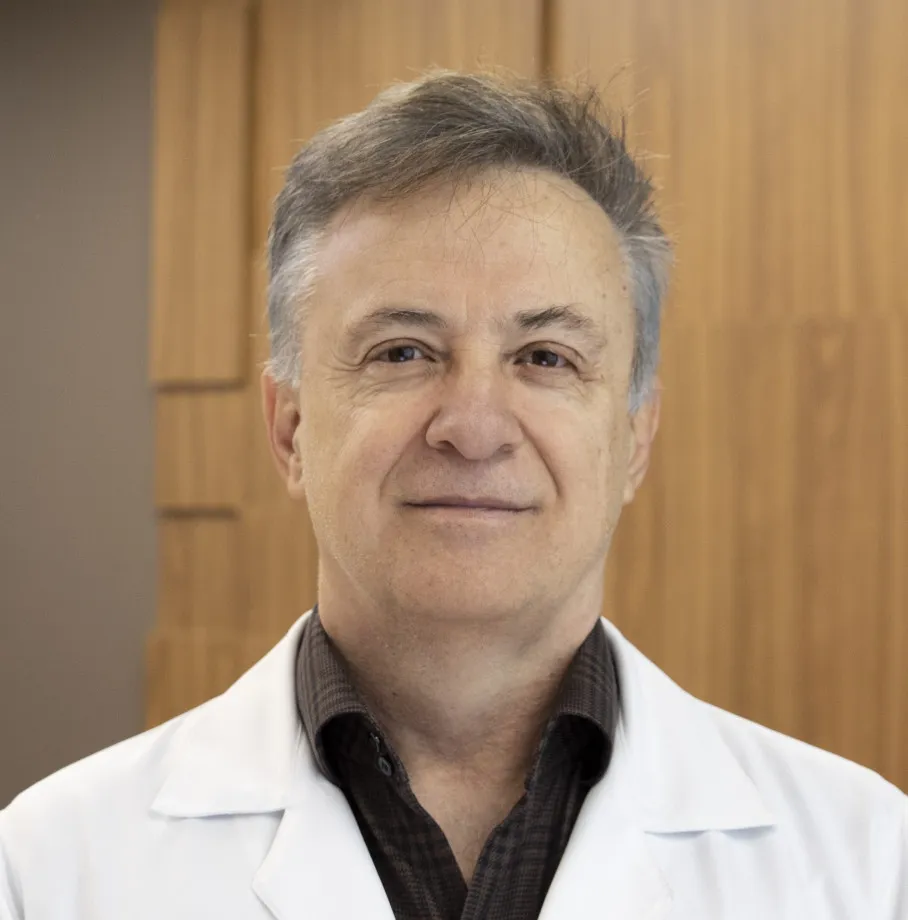
Bruno Geloneze
Coordinator of LIMED (Laboratory of Investigation in Diabetes and Metabolism), UNICAMP
Mini-bio
Associate Professor (Livre-Docente) in Endocrinology and Metabolism at the University of Campinas (UNICAMP, 2017). He holds a medical degree from UNICAMP (1987), residency in Endocrinology and Metabolism, and a PhD in Clinical Medicine from UNICAMP (2001). He is currently the coordinator of LIMED (Laboratory of Investigation in Diabetes and Metabolism) at UNICAMP and collaborates with several Brazilian and international universities. He serves on the Editorial Board of the journal Obesity Surgery. His expertise includes endocrinology and metabolism, focusing on diabetes, insulin resistance, obesity, bariatric and metabolic surgery, and cardiovascular endocrinology. He is a principal investigator at the National Institute of Science and Technology in Obesity and Diabetes and at the Obesity and Comorbidities Research Center (OCRC–CEPID). He coordinates the Brazilian Study on Metabolic Syndrome (BRAMS). He is a CNPq Productivity Fellow – PQ-1D.
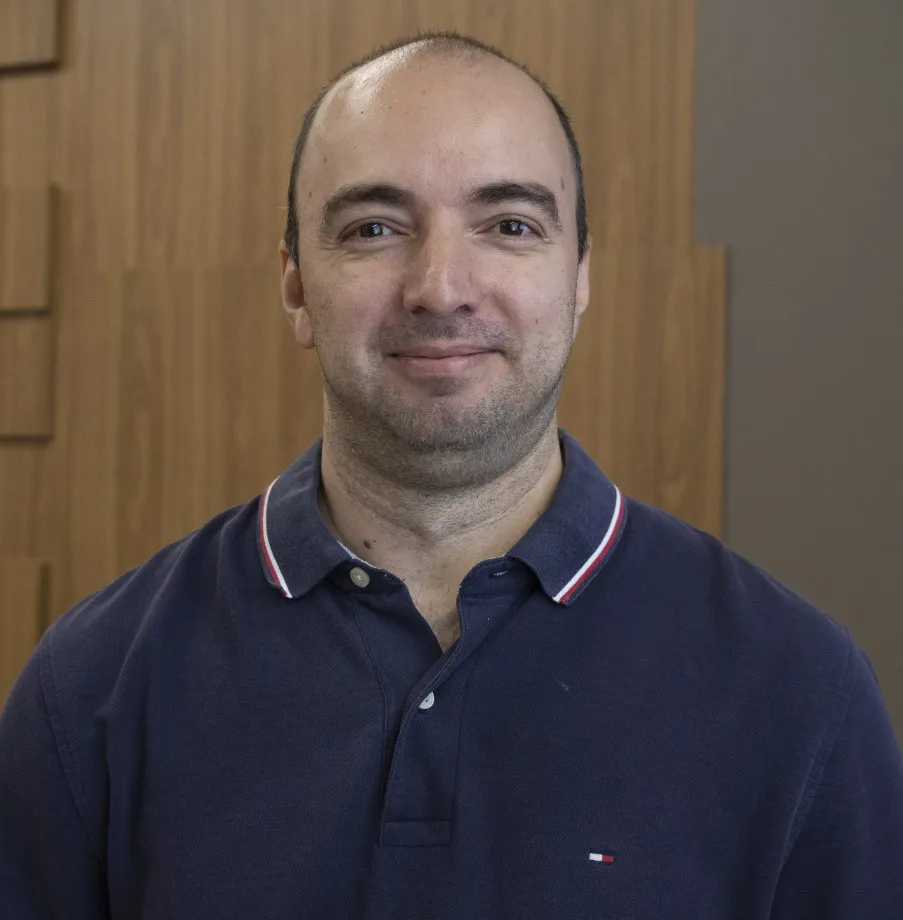
Mini-bio
Professor in the Department of Physiology at the School of Medicine of Ribeirão Preto, University of São Paulo (FMRP-USP). He earned his PhD (2013) in Motor Sciences at UNESP/RC with a specialization in Endocrine-Metabolic Physiology. He completed a research internship during his PhD at Brigham and Women’s Hospital – Harvard Medical School, Boston, MA, USA. He completed a postdoctoral fellowship (2014–2016) in the Department of Structural and Functional Biology, Institute of Biology – UNICAMP, and another postdoctoral fellowship (2016–2019) in the Department of Cell and Tissue Biology, University of California, San Francisco, CA, USA. He is a FAPESP Young Investigator (2020–2025) at the Obesity and Comorbidities Research Center (OCRC), Institute of Biology – UNICAMP. His research focuses on obesity and energy metabolism, with emphasis on the role of adipose tissue in the regulation of energy homeostasis.
Carol Elias
Professor in the Department of Molecular and Integrative Physiology and Obstetrics and Gynecology, University of Michigan
Mini-bio
She holds a PhD in Neuroscience and Behavior from the University of São Paulo (USP) and completed postdoctoral training in Neuroscience and Neuroendocrinology at Harvard Medical School, Boston. She began and maintained her research program at the Institute of Biomedical Sciences at USP for 10 years and moved to the United States in 2006. She is currently a Professor in the Department of Molecular and Integrative Physiology and in the Department of Obstetrics and Gynecology at the University of Michigan. She is Director of the Graduate Program in Neuroscience and Director of the Michigan Mouse Metabolic Phenotyping Center (MMPC-Live). She is a member of the Latin American Academy of Sciences (ACAL) and a full member of the American Academy for the Advancement of Sciences (AAAS).
Mini-bio
Nutritionist graduated from PUC-Campinas (2001), with a Master’s degree from UNICAMP (2004) and a PhD from the University of São Paulo (2009). She has been a professor in the Nutrition program at the School of Applied Sciences, UNICAMP, since 2012. She is currently Coordinator of the Extension Committee at FCA/UNICAMP. She teaches courses in Dietetic Techniques, Food and Nutrition Education, and Supervised Internship in Collective Food Services. She is a researcher at the Multidisciplinary Laboratory in Food and Health (LabMAS), an associate researcher at the Obesity and Comorbidities Research Center (OCRC – UNICAMP), and a guest researcher at the Laboratory of Investigation and Metabolism (Limed UNICAMP). She is one of the creators of the MeNu Project – Culinary Medicine and Nutrition in Healthcare (@menu.unicamp). Her current research focuses on Dietetics and Food and Nutrition Education (FNE), with emphasis on culinary skills, diet quality, and menu development. She is interested in studying Culinary Medicine and its effects on behavior and health outcomes. Mother of Giovanna and Lucas.

Claudia Pinto Marques Souza de Oliveira
Associate Professor in the Department of Gastroenterology at the Faculty of Medicine, USP
Mini-bio
Associate Professor in the Department of Gastroenterology at the Faculty of Medicine of the University of São Paulo. Graduated from the Faculty of Medicine of the State University of Pará (1992), PhD in Gastroenterology from the Faculty of Medicine of the University of São Paulo (1999), Post-Doctorate in Hepatology from the Faculty of Medicine of the University of São Paulo, Habilitation in Gastroenterology from the Faculty of Medicine of the University of São Paulo (2012). Currently, she is the Coordinator of the Postgraduate Program in Gastroenterology Sciences (grade 7) in the same Department. She is also the Head of Hepatology at the Gastroenterology Service of the HC-FMUSP. Full Member of the Research Committee of FMUSP and Alternate Member of the Postgraduate Committee of FMUSP. Responsible for the Medical Investigation Laboratory of Gastroenterology (LIM07) at HC-FMUSP. She has experience in the field of Medicine, with an emphasis on Hepatology/Gastroenterology, mainly working on the following topics: non-alcoholic fatty liver disease (NAFLD), steatohepatitis, oxidative stress, pathogenesis and therapeutics of NAFLD, Obesity and Metabolic Syndrome, and Hepatocellular Carcinoma. Reviewer for J Hepatology, Hepatology, Liver International, American J Gastroenterology, Annals of Hepatology, among others. Ad hoc advisor for FAPESP. h-index (ISI) = 48. CNPq Productivity Grant Researcher, Coordinator for the Postgraduate Program in Gastroenterology Sciences FMUSP. Researcher ID: D-1216-2014 ORCID: 0000-0002-2848-417X (http://www.researcherid.com/rid/D-1216-2014).
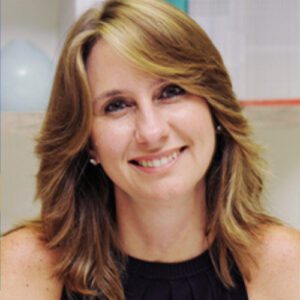
Mini-bio
She holds a medical degree from the Federal University of Bahia (1995), residency in Internal Medicine at the University of São Paulo (1998), residency in Endocrinology and Metabolism at the University of São Paulo (2000), and a PhD in Endocrinology from the University of São Paulo (2004). She is currently a physician at Hospital das Clínicas, FMUSP. She has experience in Medicine with emphasis on Endocrinology, working mainly on obesity, metabolic syndrome, and diabetes.
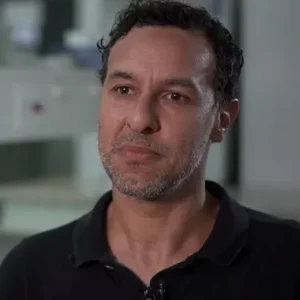
Dennys Cintra
Coordinator of the Nutritional Genomics Laboratory (LabGeN) and the Center for Studies in Lipids and Nutrigenomics (CELN)
Mini-bio
Nutritionist – University of Alfenas (2001); Master’s in Nutritional Science – UFV (2003); PhD in Clinical Medicine – UNICAMP (2008); Postdoctoral Fellow in Clinical Medicine – UNICAMP (2009); Specialist in Scientific Communication – UNICAMP (2011); Associate Professor (Livre-Docente) in Nutrigenomics (2021); Postdoctoral Fellow in Population Genomics – University of California, Berkeley (2023); CNPq Productivity Researcher (2023–2026). Coordinator of the Nutritional Genomics Laboratory (LabGeN); Coordinator of the Center for Studies in Lipids and Nutrigenomics (CELN); Associate Researcher at the Obesity and Comorbidities Research Center (CEPID-FAPESP). His expertise includes Nutrigenomics, Functional Foods, and Clinical Nutrition. His research focuses on comorbidities associated with obesity and diabetes.
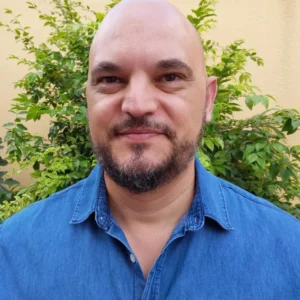
Mini-bio
Associate Professor (Livre-Docente) at the University of Campinas – UNICAMP, School of Applied Sciences. He teaches Exercise Physiology in the Sports Science program. He holds a degree in Physical Education and is a specialist in Exercise Physiology. He completed his Master’s (2007), PhD (2010), and postdoctoral training (2011) at the School of Medical Sciences at UNICAMP. He completed an additional postdoctoral fellowship at the École Polytechnique Fédérale de Lausanne (EPFL – Switzerland) in the laboratory of Dr. Johan Auwerx. He is a researcher at the National Institute of Science and Technology in Obesity and Diabetes and at the Obesity and Comorbidities Research Center – OCRC (CEPID/FAPESP). He currently coordinates a FAPESP Thematic Research Project. His research focuses on molecular biology of exercise, including physical activity, mitochondrial metabolism, obesity, and aging. He is a CNPq Productivity Fellow (Level 2).
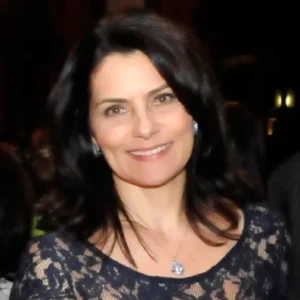
Mini-bio
Full Professor at the School of Nursing at UNICAMP in the area of Nursing Fundamentals. She earned her Nursing degree from the School of Medical Sciences at UNICAMP in 1990. She holds a Master’s degree in Functional and Molecular Biology from the Institute of Biology at UNICAMP (2002) and a PhD in Medical Pathophysiology from the School of Medical Sciences at UNICAMP (2005). She completed a FAPESP-funded postdoctoral fellowship from 2006 to 2008. Her research focuses on therapeutic targets and substances capable of modulating wound healing and obesity. She is currently Chair of the Research Committee of the School of Nursing at UNICAMP and holds a CNPq Productivity Fellowship (PQ2).
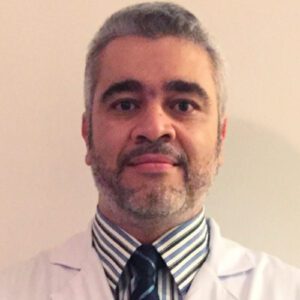
Everton Cazzo
Associate Professor at UNICAMP; Permanent Professor in the Graduate Program in Surgical Sciences, FCM/UNICAMP
Mini-bio
Habilitation (Livre-Docência) from the University of Campinas (2022). Associate Professor I – Digestive System Diseases, School of Medical Sciences, UNICAMP (2023). Former Assistant Professor in Digestive System Diseases at the School of Medical Sciences, UNICAMP (2017–2023). Permanent Professor in the Graduate Program in Surgical Sciences at FCM/UNICAMP (since 2018). Professor in the Professional Master’s Program in Applied Medical Qualification Sciences at FCM/UNICAMP (since 2018). PhD in Surgical Sciences from UNICAMP (2015). Master’s degree in Surgical Sciences from UNICAMP (2013). Medical degree from the School of Medicine of Marília (2002). Residency in General Surgery at the School of Medicine of Botucatu – UNESP (2005). Residency in Digestive System Surgery at the School of Medical Sciences, UNICAMP (2007). Specialist in Bariatric Surgery by the Brazilian Medical Association – AMB (2016). Full Member of the Brazilian College of Digestive Surgery – CBCD. Full Member of the Brazilian College of Surgeons – CBC. Member of the Brazilian College of Hepato-Biliary-Pancreatic Surgery (CBHPB). Member of the International Federation for the Surgery of Obesity and Metabolic Disorders – IFSO. Active member of the Latin American Federation of Surgery (FELAC). Full Member of the Brazilian Society of Bariatric and Metabolic Surgery (SBCBM). He is currently Associate Professor I at UNICAMP in the Digestive System Diseases discipline, working with the Pancreas, Biliary Tract, and Obesity Surgery Group. He has been an attending surgeon at the Institute of Gastroenterology and Surgery of Campinas (IGCC) since 2009 and at the Campinas Oncology Center (COC) since 2012. His expertise includes digestive system surgery, with emphasis on bariatric and metabolic surgery, pancreatic surgery, and biliary tract surgery.

Mini-bio
Graduated in Pharmacy-Biochemistry from the University of São Paulo (2005), he holds a doctorate (2007) and a post-doctorate (2008) in Human Physiology from the Institute of Biomedical Sciences of the University of São Paulo. He has experience in the area of Physiology, with an emphasis on Endocrine Physiology and the pathophysiology of Diabetes. He is currently a professor in the Department of Pharmacology at the Faculty of Medical Sciences of the State University of Campinas.
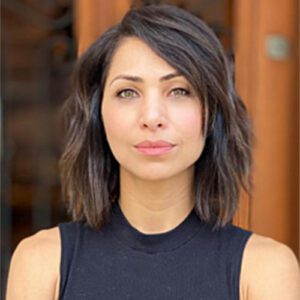
Helena Barbosa
Associate Professor in the Department of Structural and Functional Biology at the Institute of Biology, UNICAMP
Mini-bio
Associate Professor in the Department of Structural and Functional Biology at the Institute of Biology, State University of Campinas (UNICAMP). She holds a Bachelor’s degree in Biological Sciences from UNICAMP (1999-2003). She completed her PhD at the Endocrine Pancreas and Metabolism Laboratory, Department of Structural and Functional Biology, Institute of Biology, at the same university, with part of this project carried out at King’s College London (between 2007-2008) in the Beta Cell Function Study Group. She was a PhD Collaborating Researcher in the Diabetes Study Group, King’s College London, between 2009-2012, and a Diabetes UK Fellow. She worked as a Collaborating Researcher (Young Researcher Grant – FAPESP) in the Endocrine Pancreas and Metabolism Laboratory (2013-2014). She supervises students in the postgraduate program in Morphofunctional and Molecular Biology. She teaches undergraduate and postgraduate courses in the area of Endocrine Physiology and Digestion. She has expertise in glycemic homeostasis, molecular mechanisms involved in insulin secretion, and cell signaling. She is an associate researcher at the Obesity and Comorbidities Research Center (OCRC), UNICAMP. She is a member of the Center for Physiology Education, the American Physiology Society (2023), and the Brazilian Society of Physiology (2024). Coordinator of the Undergraduate Courses in Biological Sciences at IB-UNICAMP (term 2022-2024), CNPq PQ2 Research Productivity Fellow, and single mother of 8-year-old Vicente.
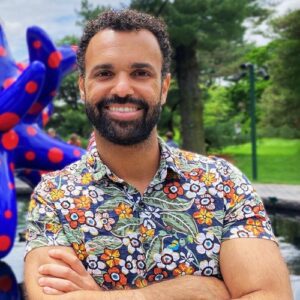
Hernandez Moura
Assistant Professor of Biology; Core Member, Ragon Institute; HHMI Freeman Hrabowski Scholar
Mini-bio
Hernandez Moura Silva seeks to understand how the immune system supports tissue physiology to unveil new approaches to treat human diseases.
By utilizing an innovative and intersectional approach, our lab main goal is to reveal fundamental immune-related pathways that modulate organ and tissue physiology. Our work will help to develop new strategies to tune these molecular pathways in health and disease, leading to the development of much-needed therapeutic approaches for human diseases.
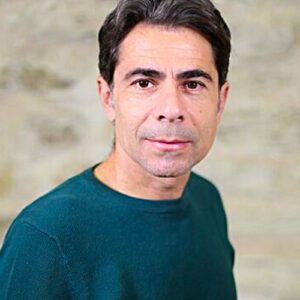
Ivan Quesada
Professor of Nutrition and Bromatology at Miguel Hernández University
Mini-bio
He holds a degree in Biology from the University of Alicante, Alicante, Spain, and a PhD in Biology from Miguel Hernández University, Elche, Spain. He completed a postdoctoral fellowship in the Department of Bioengineering at the University of Washington, Seattle, USA. In 2004, he was a visiting associate professor in the Department of Bioengineering at the University of Washington, Seattle, and served as Associate Professor of Nutrition at Miguel Hernández University, Elche, Spain, from 2009 to 2018. He is currently a Professor of Nutrition and Bromatology at Miguel Hernández University. His laboratory studies the mechanisms that regulate the function of pancreatic beta and alpha cells, as well as the alterations and adaptations of pancreatic beta cells in pathologies such as diabetes and obesity.
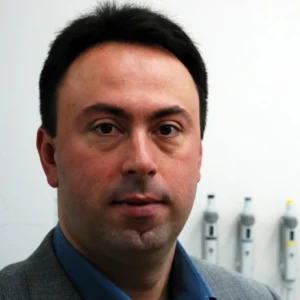
Jose Donato Jr
Coordinator of the Laboratory of Neuroendocrinology and Metabolism (LaNeM), USP
Mini-bio
Full Professor in the Department of Physiology and Biophysics at the Institute of Biomedical Sciences (ICB) of the University of São Paulo (USP). He coordinates the Laboratory of Neuroendocrinology and Metabolism (LaNeM; https://sites.usp.br/lanem/). . He completed a Master’s degree in Food Science (2002–2005) and a PhD in Morphofunctional Sciences (2005–2008) at the University of São Paulo, followed by a postdoctoral fellowship at the University of Texas Southwestern Medical Center (2008–2011). His research investigates how neural circuits that regulate energy and glucose homeostasis are affected by the action of various hormones, such as leptin, GH, among others. He has published more than 180 scientific articles, including over 75 as last author/senior author. José Donato Jr. has supervised 10 PhD theses, 4 Master’s students, and 9 postdoctoral fellows. He has received several national and international awards, including the Return Home Fellowship (IBRO), Early Investigators Awards (Endocrine Society), ASPIRE Young Investigator Research Awards in Endocrinology (Pfizer Inc.), the 2019 Excellence Award for Emerging Research Leaders (University of São Paulo), and supervised the winning thesis of the USP Biological Sciences Outstanding Thesis Award (2019). He currently coordinates his third FAPESP Thematic Research Grant and is a principal investigator at the INCT National Institute of Translational Neuroscience. He is a member of the CNPq Advisory Committee BF – Biophysics, Biochemistry, Pharmacology, Physiology, and Neurosciences. He is a member of several scientific societies, including the Endocrine Society, Society for Neuroscience, Pan American Neuroendocrine Society, The European Society of Endocrinology, and the Brazilian Society of Endocrinology and Metabolism. He is currently Associate Editor of the journal Endocrinology and Head of the Department of Physiology and Biophysics.
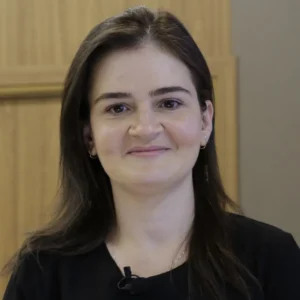
Leticia Souza
Professor in the Undergraduate Nutrition Program and the Graduate Program in Nutrition, Sports, and Metabolism at the School of Applied Sciences, UNICAMP
Mini-bio
She holds a degree in Nutrition from the Federal University of Mato Grosso – UFMT (2008), a Master’s degree in Biosciences (Nutrition) from UFMT (2010), and a PhD in Medical Pathophysiology from the University of Campinas – UNICAMP (2013). She worked as an Assistant Professor at the School of Nutrition at UFMT (2012–2016) and is currently a Professor in the Undergraduate Nutrition Program and the Graduate Program in Nutrition, Sports, and Metabolism at the School of Applied Sciences at UNICAMP (2016–present). She has experience in Nutrition and Metabolism, focusing mainly on metabolic programming, pregnancy/gestation, diet therapy, chronic noncommunicable diseases, and metabolic disorders.
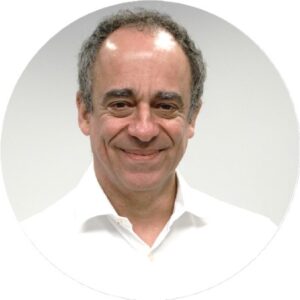
Licio Augusto Velloso
Full Professor in the Department of Internal Medicine at UNICAMP; Coordinator of the Obesity and Comorbidities Research Center at UNICAMP
Mini-bio
He is a Full Professor in the Department of Internal Medicine at UNICAMP and Coordinator of the Obesity and Comorbidities Research Center at UNICAMP (www.ocrc.org.br). He is a full member of the Brazilian Academy of Sciences and the São Paulo State Academy of Sciences. He is Associate Editor of the American Journal of Physiology – Endocrinology and Metabolism. He graduated in Medicine from UNICAMP in 1986, specialized in surgery at UNICAMP in 1989, earned a PhD in Medicine from Uppsala University, Sweden (1993), and completed postdoctoral training in Medicine at UNICAMP and at Harvard University. He investigates molecular and cellular mechanisms involved in the development of obesity, diabetes mellitus, and other conditions associated with metabolic inflammation. He supervised the PhD thesis awarded the CAPES Grand Prize for Theses, Carl Peter Von Dietrich Award, in 2006, granted to student Cláudio Teodoro de Souza.
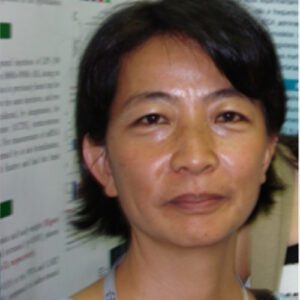
Mini-bio
She holds a medical degree from the School of Medicine of Ribeirão Preto – USP (1984), a Master’s degree (1991) and a PhD (1995) in Medicine from the same institution. She is currently a Full Professor at the School of Medicine of Ribeirão Preto, University of São Paulo. She has experience in Medicine and Physiology with emphasis on Endocrinology, with a research focus on neuroendocrine control of food intake and hypothalamic leptin signaling.
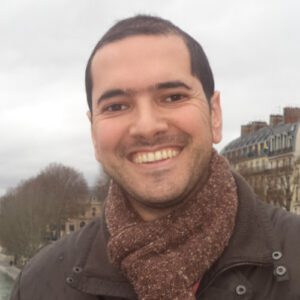
Luiz Osorio Leiria
Assistant Professor in the Departments of Pharmacology and Cell and Molecular Biology and Pathogenic Bioagents, School of Medicine of Ribeirão Preto, USP
Mini-bio
He graduated in Pharmacy in 2005 from Universidade Franciscana (UFN), Santa Maria–RS, and holds a Master’s and PhD in Pharmacology from the School of Medical Sciences at UNICAMP. He completed postdoctoral training (2014–2017) at the Joslin Diabetes Center (Harvard Medical School) with a fellowship from the American Diabetes Association (ADA). He worked as a collaborating researcher—FAPESP Young Investigator—in the Department of Biochemistry and Tissue Biology at the Institute of Biology (IB) at UNICAMP. Since 2020, he has been an Assistant Professor in the Departments of Pharmacology and Cell and Molecular Biology and Pathogenic Bioagents at the School of Medicine of Ribeirão Preto, University of São Paulo (FMRP-USP). He is an affiliate member of the Brazilian Academy of Sciences (2022–2027). He also works as an associate researcher and Scientific Dissemination Coordinator at the Center for Research on Inflammatory Diseases (CRID). His research areas include: (I) energy metabolism, focusing on mechanisms of activation and differentiation of brown adipose tissue; (II) lipid biology, focusing on lipids synthesized and released by adipose tissue and their regulatory activity on glucose and fatty acid metabolism; (III) study of inter-organ/ tissue crosstalk in the regulation of energy metabolism.
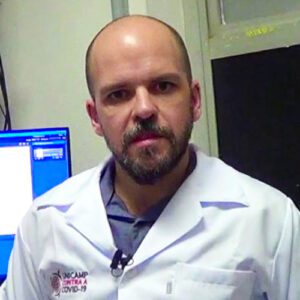
Marcelo Mori
Associate Professor (Livre Docente) in the Department of Biochemistry and Tissue Biology, Institute of Biology, UNICAMP
Mini-bio
He holds a degree in Biological Sciences (Medical Modality) from the Federal University of São Paulo (2002). He earned his PhD in Molecular Biology from the Federal University of São Paulo (2007), with an internship at the Max Delbrück Center for Molecular Medicine (Berlin, Germany). He completed postdoctoral training at the Joslin Diabetes Center/Harvard Medical School (Boston, USA). In 2011, he joined the Department of Biophysics at the Federal University of São Paulo as an Assistant Professor and Researcher. In 2016, he became a faculty member in the Department of Biochemistry and Tissue Biology at the Institute of Biology at UNICAMP, where he served as department head for two terms (2017–2021), research coordinator (2018–2020), and is currently an Associate Professor (Livre Docente). He has experience in Molecular Biology with emphasis on Metabolism, focusing on the molecular mechanisms associated with Metabolic Syndrome and aging. He is a former affiliate member of the Brazilian Academy of Sciences.
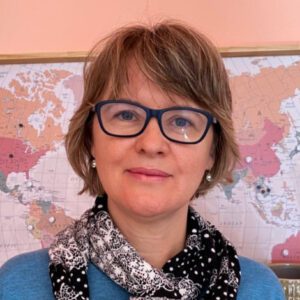
Mini-bio
She holds a degree in Nutrition from the Federal University of Mato Grosso (1997) and a Master’s degree in Health Sciences from the same university (2005). She completed her PhD in Clinical Medicine at the School of Medical Sciences at UNICAMP in 2009. During her PhD, she conducted research at the University of Barcelona, Spain (2007–2008). She completed postdoctoral training at the Cellular Signaling Laboratory at FCM/UNICAMP (2009–2011) and in the Cell Biology Program at the SickKids Research Institute at the University of Toronto, Canada (2016–2017). She was a senior visiting professor through the CAPES/Print Program at the University of Barcelona (Dec/2023–Mar/2024). Since 2011, she has been a faculty member in the Nutrition program at the School of Applied Sciences at UNICAMP. She is currently an Associate Professor (MS5.2) and supervises Master’s and PhD students in the Graduate Program in Nutrition, Sports, and Metabolism (CNEM), where she served as associate coordinator (2017–2019 and 2019–2021). She has ongoing research projects funded by Fapesp and CNPq and collaborations with researchers from Université Paris Diderot (Paris 7), Institut des Neurosciences Paris-Saclay, and the University of Barcelona. Her research focuses on nutrients and immunomodulation, particularly the effects of high-fat diets—especially saturated and interesterified fats—on the development of metabolic diseases. In the undergraduate Nutrition program, she teaches Nutrition and Dietetics and Nutrition and Dietetics Across the Life Cycle.
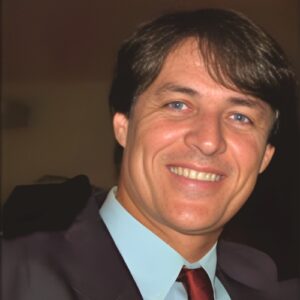
Mini-bio
He holds a Bachelor’s degree in Biological Sciences from UNESP (1991), a Master’s degree in Functional and Molecular Biology from UNICAMP (1994), a PhD in Functional and Molecular Biology from UNICAMP (1999), and postdoctoral training at the School of Medical Sciences at UNICAMP (2002–2003) and at the University of Michigan, USA (2013–2014). He is currently an Associate Professor at the School of Applied Sciences (FCA) at UNICAMP. He has served as coordinator of the Graduate Program in Nutrition, Sports, and Metabolism at FCA-UNICAMP, research coordinator at FCA-UNICAMP, graduate program coordinator at FCA-UNICAMP, Vice-Dean (2017–2021), and Dean (2021–2025) of FCA-UNICAMP. He is accredited in the Graduate Program in Nutrition, Sports, and Metabolism. His research interests include maternal obesity and epigenetic damage, metabolic disorders associated with obesity and diabetes, and central control of energy metabolism and inflammatory responses.
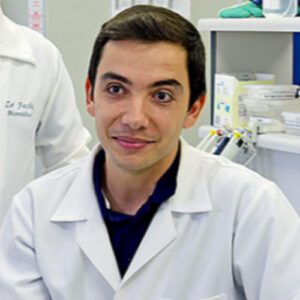
Marco Vinolo
Faculty Member at the Institute of Biology, UNICAMP, and Head of the Immunoinflammation Laboratory
Mini-bio
He holds a degree in Pharmacy and Biochemistry from the University of São Paulo (2005), a direct PhD and postdoctoral training from the University of São Paulo. He completed research internships at University College Dublin (2007) and the Babraham Institute (2009–2010). He is currently a faculty member at the Institute of Biology at the University of Campinas (UNICAMP) and head of the Immunoinflammation Laboratory. His main research focus is the investigation of mechanisms of interaction between the immune system and bacteria, particularly the action of bacterial metabolic products—short-chain fatty acids—in models of inflammation and infection. His research aims to identify molecular targets involved in the action of these compounds on the immune system and to develop therapeutic strategies based on them.
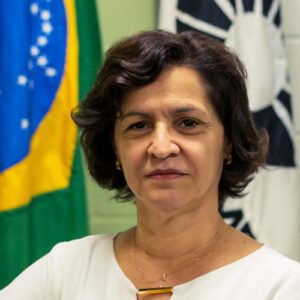
Mini-bio
She holds a degree in Nursing from Uniararas (1987), a specialization in Dermatology Nursing (2021), a Master’s degree in Pharmacology from the University of Campinas (1995), a PhD in Functional and Molecular Biology from the same university (2000), and a postdoctoral fellowship from the Institute of Biomedical Sciences at USP/SP (2003). She is Vice-Dean of the School of Nursing (2023–2026) and served as a member of the Fiscal Committee of the Unicamp Development Foundation (Funcamp) from 2019 to 2022. She was a member of the Executive Committee of Faepex between 2017 and 2019. She is currently an Associate Professor at the School of Nursing and a full MS-5 member of the Unit’s Congregation (2019–2021). She served as a full member of the Central Research Commission of Unicamp between 2015 and 2020 and coordinated the Graduate Program of the School of Nursing from 2020 to 2022. Previously, she served as Vice-Dean of the School of Nursing (2015–2018). She is Guest Associate Editor and Review Editor for the journal Frontiers in Clinical Diabetes and Healthcare (2019–2022), as well as Guest Associate Editor and Review Editor for Polymers (2024–2025), and reviewer for eight international journals. In 2016, she participated in research activities as a visiting professor at the University of Nottingham, funded by CAPES_Print. In 2019, she was a visiting professor at Cardiff University, funded by Faepex-Unicamp. She collaborates nationally (with the School of Nursing at the Fluminense Federal University, the University of Juiz de Fora, and the Federal University of Lavras) and internationally (with the Department of Chemical Engineering at KU Leuven, Belgium; the School of Health Sciences at the University of Nottingham; and the School of Nursing at Universidad Andrés Bello, Chile), developing projects that evaluate wound healing, diabetes mellitus, artificial intelligence, and products that promote tissue repair. She is the lead researcher of the group “Molecular Mechanisms of Wound Healing,” registered with CNPq. She has experience in nursing, with emphasis on care for patients with diabetes mellitus, focusing mainly on diabetes care, diabetic foot complications, and investigation of cutaneous wound healing. She is a Diabetes Educator through the Educating Educators Program (2018) and a member of the JBI, the Evidence-Based Healthcare Research Centre at Unicamp.
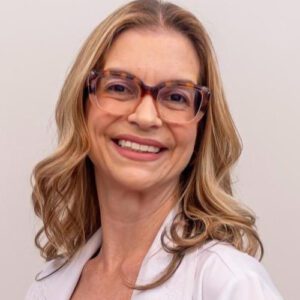
Mini-bio
She is an Associate Professor of Obstetrics at the University of Campinas (Unicamp). She holds a medical degree (2003) and completed her Medical Residency (2006) at Unicamp, followed by a Master’s degree (2008) and a PhD (2011) in Obstetrics and Gynecology at the same university. She completed a postdoctoral fellowship abroad at Washington University (2014–2016) in Saint Louis, Missouri, USA. After returning to Brazil, she established a Placenta Biobank at CAISM-Unicamp and has worked to advance translational research involving maternal morbidity, preeclampsia, and emerging viruses. She is the Director of International Relations of the Brazilian Network for Studies on Hypertension in Pregnancy (RBEHG), a member of the National Commission of Specialists (CNE) of FEBRASGO in Hypertension in Pregnancy, a member of the CNE-TEGO (participating in the development of the national board exams in gynecology and obstetrics), a member of the SOGESP Board (Coordinator of Accredited Representatives of the Interior of São Paulo), the Brazilian representative in the International Society for the Study of Hypertension in Pregnancy (ISSHP) and Global Co-Chair of ISSHP. She coordinated the Graduate Program in Obstetrics and Gynecology at FCM-Unicamp (2021–2025) and is part of the Steering Committee of the LID/HUB/WHO Project at the Center for Reproductive Health Studies in Campinas (CEMICAMP). She has served as a consultant for the World Health Organization (WHO) on topics related to childbirth care and preeclampsia and is part of the expert group in the Medical and Scientific Advisory Committee (MSAC) of the WHO Family of International Classifications (WHO-FIC) Network, working on the update and revision of the International Classification of Diseases (ICD-11). To date, she has supervised 11 Master’s dissertations (and co-supervised 7 others), 6 PhD theses (and co-supervised 5 others), 2 postdoctoral fellows, 9 undergraduate theses, and 31 scientific initiation projects. She is a CNPq productivity fellow.
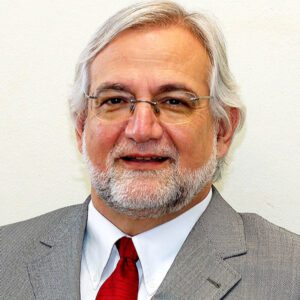
Mario Saad
Professor in the Department of Internal Medicine, School of Medical Sciences (FCM), UNICAMP, since 1986.
Mini-bio
Dr. Saad earned his medical degree from the Faculty of Medicine of Triângulo Mineiro (1979), completed residencies in Internal Medicine and Endocrinology (1980–1982), and obtained his Master’s (1982–1985) and PhD (1985–1988) in Internal Medicine from the University of São Paulo. He completed a postdoctoral fellowship at Harvard University (1990–1992). He has been a professor in the Department of Internal Medicine at FCM‑UNICAMP since 1986, where he completed his habilitation (1996) and became a Full Professor (2003). He currently teaches Semiology and Internal Medicine and works with Internal Medicine residents in the adult general ward. He also coordinates the department’s Obesity and Diabetes Research Laboratory, where for the past 28 years he has focused on the molecular mechanisms of insulin resistance. He has supervised 68 undergraduate research students, 22 Master’s students, 32 PhD students, and 18 postdoctoral fellows. He has been honored as patron, paranymph, or distinguished professor by numerous graduating classes at FCM‑UNICAMP. He has held several leadership roles, including: Coordinator of the Graduate Subcommittee in Internal Medicine (1994–1996), Coordinator of the Graduate Commission (1996–1998), Dean of the School of Medical Sciences (1998–2002; 2010–2014), Faculty representative on the University Council (2002–2008; 2014–2016), Elected representative of São Paulo to the Federal Council of Medicine (1998–2004), Interim Director of the School of Applied Sciences, UNICAMP – Limeira campus (2009–2010), Deputy Coordinator at FAPESP (2005–2016), Chair of the Health Committee at CNPq (2003–2005). He is currently a member of the editorial boards of two international journals (Metabolism and American Journal of Physiology). He has published around 300 articles in international journals, cited more than 25,000 times on Google Scholar. He was awarded the title of Commander of the National Order of Scientific Merit by the Presidency of Brazil (2008), has been a CNPq Level 1A researcher since 1996, and has been a member of the Brazilian Academy of Sciences since 2007.
Mini-bio
She holds degrees in Sport (2003) and Nutrition (2008) from the University of São Paulo (USP). She earned her Master’s and PhD in Nutrition and Public Health from USP. She completed a postdoctoral fellowship at the University of Campinas (UNICAMP), conducting research on brown adipose tissue and olive oil supplementation. Between 2021 and 2022, she was a researcher in the Lipidinflammages Project at the Norwegian University of Life Sciences (NMBU, Norway), where she investigated the effects of different sources of animal fat on cardiovascular risk markers. She is currently a postdoctoral researcher at the Turku PET Centre. Her work focuses on investigating the effects of foods and nutrients on cardiometabolic diseases and metabolism. She also has experience in conducting clinical trials.
Natalia Mendes
Researcher in the Department of Translational Medicine, School of Medical Sciences (FCM), UNICAMP
Mini-bio
She is a researcher in the Department of Translational Medicine at the School of Medical Sciences (FCM) at UNICAMP and a faculty member in the Graduate Program in Pharmacology (FCM/UNICAMP). She holds a PhD in Health Sciences from FEnf‑UNICAMP (2021), a Master’s degree in Nutrition, Sport, and Metabolism (CNEM) from FCA‑UNICAMP (2016), and a Bachelor’s degree in Nutrition from UNIFESP (2012). During her undergraduate studies, she spent one semester at the Universidade Católica Portuguesa (Nutrition Sciences Program) in Portugal, where she also completed an internship in Experimental Nutrition at the Department of Experimental Biology, Faculty of Medicine, University of Porto (FMUP). As part of her PhD, she conducted research in the Division of Endocrinology, Diabetes, and Metabolism at Beth Israel Deaconess Medical Center (BIDMC), Harvard Medical School, in Boston, USA (2018–2019). Between 2021 and 2023, she completed a postdoctoral fellowship at the Obesity and Comorbidities Research Center (OCRC) at UNICAMP. Since 2023, she has been the principal investigator of a FAPESP “Projeto Geração” research grant (FAPESP 2022/06282‑7). She supervises undergraduate students in health and biological sciences (Scientific Initiation) and graduate students (Master’s and PhD) in the Pharmacology Graduate Program at FCM/UNICAMP. Her research investigates neuroimmune and neuroendocrine mechanisms involved in the regulation of energy balance in the central nervous system, with emphasis on physiological and pathological processes triggered by excessive consumption of saturated fats.
Niels Câmara
Full Professor, Department of Immunology, Institute of Biomedical Sciences, USP
Mini-bio
Niels Câmara earned his medical degree from the Federal University of Ceará (1991), a Master’s degree in Medicine (Nephrology) from the Federal University of São Paulo (1997), and a specialization in Transplant Immunology from the University of Tours, France (1997–1999). He completed his PhD in Medicine (Nephrology) at the Federal University of São Paulo (2000), followed by a postdoctoral fellowship at Imperial College London (2000–2003), and obtained his habilitation in Medicine in 2006. He has been a Full Professor in the Department of Immunology at the Institute of Biomedical Sciences, University of São Paulo, since 2011. He was a visiting professor at the University of Tours (2006).
His expertise spans Nephrology and Cellular and Applied Immunology, with research focused on kidney transplantation, experimental models of acute and chronic kidney disease, ischemia–reperfusion injury, regulatory cells, and stem cells in renal disease. More recently, his laboratory has investigated the interface between microbiota, cellular metabolism, and inflammation in models of allo‑ and autoimmunity. He is a CNPq Level 1A Productivity Fellow (2021–2026), a Full Member of the São Paulo State Academy of Sciences, and a Full Member of the Brazilian Academy of Sciences. He also served as Associate Provost for Graduate Studies at USP (2022–2023).
Pedro Vieira
Associate Professor of Immunology, Department of Genetics, Microbiology, and Immunology – Institute of Biology, UNICAMP
Mini-bio
Pedro Vieira earned his degree in Veterinary Medicine from the University of Brasília (2006). He completed a Master’s degree in Immunopathology and Allergy (FMUSP) and a PhD in Immunology at the Institute of Biomedical Sciences (ICB), University of São Paulo (USP). He conducted postdoctoral research in the Division of Endocrinology, Metabolism, and Diabetes at Beth Israel Deaconess Medical Center, Harvard Medical School, focusing on immunometabolic interactions. He is currently an Associate Professor of Immunology in the Department of Genetics, Microbiology, and Immunology at the Institute of Biology, UNICAMP. He is an affiliate member of the São Paulo State Academy of Sciences. In 2019, he was the only Latin American researcher nominated for the Aldi Award in Diabetes Research by the Helmholtz Association (Germany). His research areas include immunometabolism, cellular immunology, obesity, and diabetes.
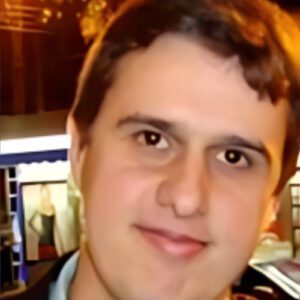
Rodrigo Pauli
Associate Professor in the Sport Sciences Program and Graduate Program in Nutrition, Sport, and Metabolism – FCA/UNICAMP
Mini-bio
Rodrigo Pauli is an Associate Professor in the Sport Sciences Program and a faculty member in the Graduate Program (Stricto Sensu) in Nutrition, Sport, and Metabolism at the School of Applied Sciences (FCA) – UNICAMP, in Limeira, São Paulo. He completed a postdoctoral fellowship at the Massachusetts College of Pharmacy and Health Sciences (MCPHS), Boston, USA (2019–2020), and another at the School of Medical Sciences, UNICAMP (2007–2008). He holds a PhD in Internal Medicine from UNICAMP (2005–2007), a Master’s degree in Motor Sciences from UNESP Rio Claro (2002–2004), and a Bachelor’s degree in Physical Education from UNESP Rio Claro (1999–2002). He coordinates the Exercise Molecular Biology Laboratory at FCA–UNICAMP. He was honored with the Zeferino Vaz Academic Recognition Award (UNICAMP, 2022) and is listed among the BRICS and Latin America Top 10,000 Scientists (AD Scientific Index 2021). He is also a CNPq Productivity Fellow. His research focuses on exercise physiology; the physiology, biochemistry, and molecular biology of physical exercise in obesity, diabetes, aging, and metabolic syndrome in humans and experimental models.
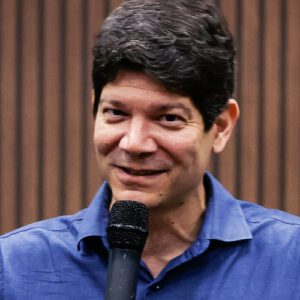
Mini-bio
Wilson Nadruz Junior earned his medical degree from the Federal University of Pernambuco (1996), and completed his PhD (2003) and habilitation (2011) in Internal Medicine at the University of Campinas (UNICAMP), where he has been a Full Professor of Cardiology since 2023. He completed a postdoctoral fellowship at Harvard Medical School / Brigham and Women’s Hospital (2014–2016). At UNICAMP, he coordinates the Cardiovascular Biology Laboratory, as well as the Hypertension Clinic and the Cardiology Ward at the University Hospital. He has also served as Coordinator of the Undergraduate Medical Program (2010–2014) and of the Cardiology Division (2018–2020). He is the author or coauthor of more than 30 book chapters and over 230 scientific publications in international journals, focusing on Internal Medicine and Cardiology. His work includes first‑author and/or corresponding‑author papers in high‑impact journals such as New England Journal of Medicine, Lancet, Circulation, and European Heart Journal. He has actively contributed to the development and coordination of several national clinical guidelines in Cardiology, especially in the field of hypertension. He has supervised more than 30 master’s and PhD students and has led numerous research projects funded by national agencies, focusing on hypertension, cardiovascular remodeling, and cardiovascular risk. He has received more than 50 scientific and academic awards, including the World Heart Federation Medal (2022) and the SBC Merit Award for Research Dedication (2019), and has been honored as Patron, Paranymph, or Distinguished Professor by 17 graduating medical classes at UNICAMP. In the field of innovation, he is the author of 2 patents, 1 software, and 1 industrial design.